
Choristodera
Extinct semiaquatic reptiles with diverse body forms and a long fossil record.

Dlyj0604 · CC BY-SA 4.0
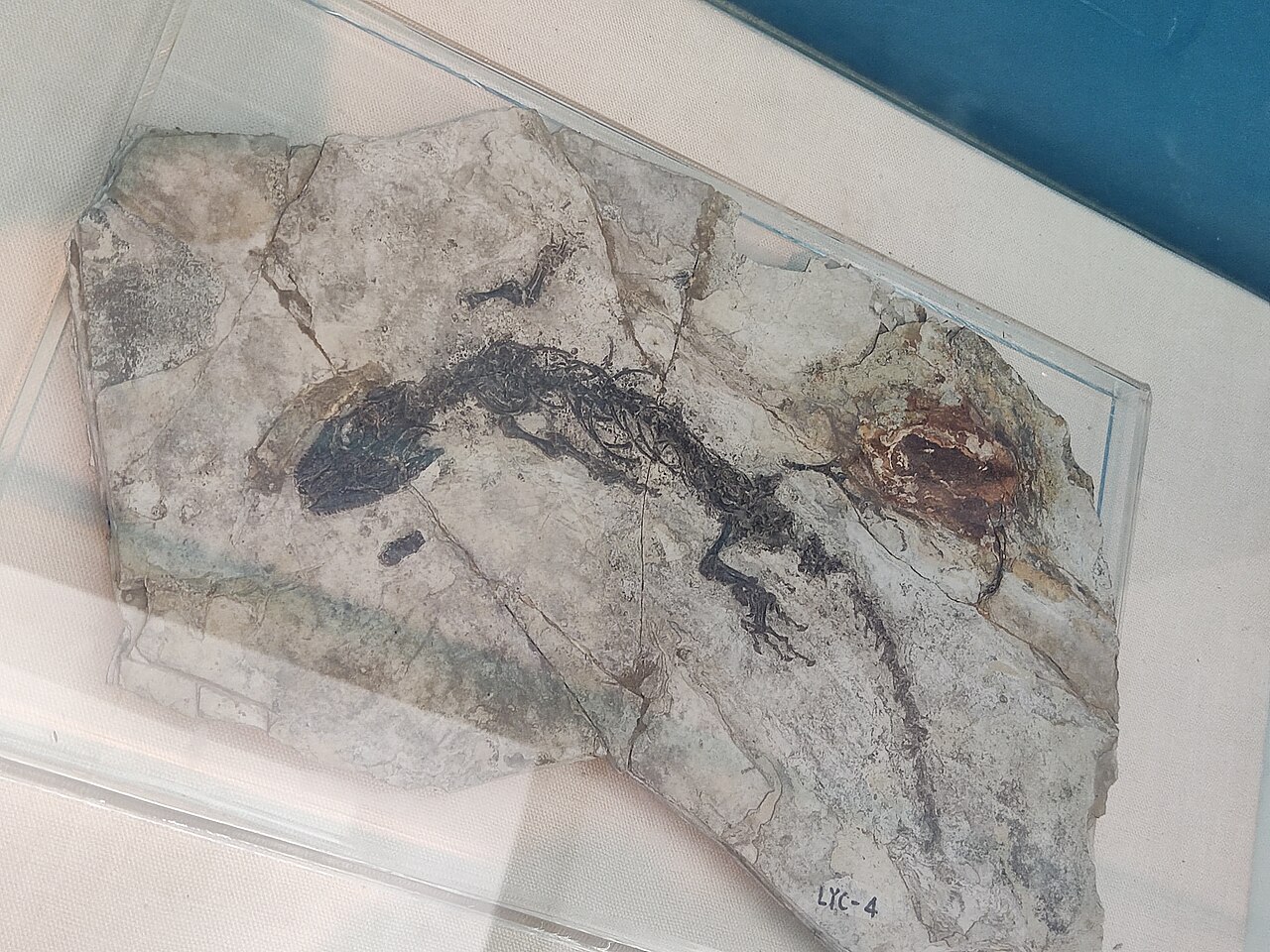
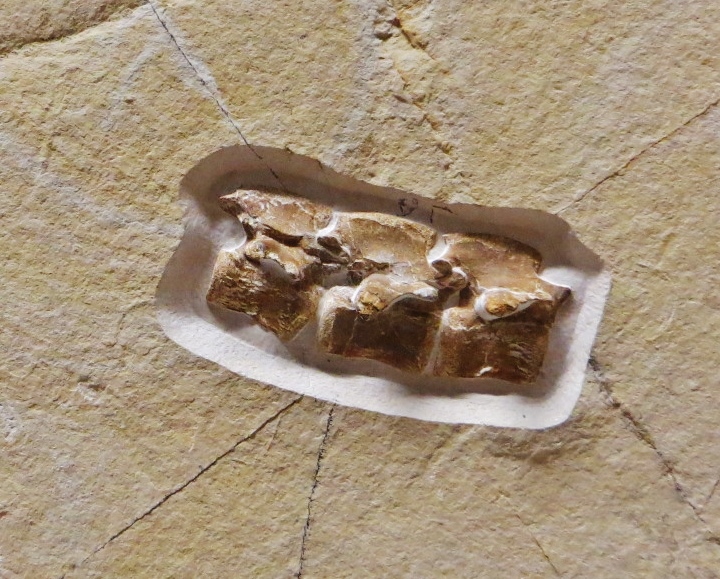
Choristodera is an extinct order of semiaquatic diapsid reptiles that lived from the Middle Jurassic (or possibly Triassic) to the Miocene. They are known from fossils found across the Northern Hemisphere, including North America, Asia, and Europe. The group is morphologically diverse, ranging from crocodile-like forms such as Champsosaurus to lizard-like and long-necked species.
- Order
- Choristodera
- Known from
- North America, Asia, Europe
- Key synapomorphies
- Nine shared traits including median contact of prefrontal bones, absence of parietal foramen, and presence of a neomorphic skull bone
Lore & Background
For over a century, Champsosaurus remained the only recognized choristodere. In the late 20th century, new taxa were described from Lower Cretaceous sediments in Mongolia by Soviet-Mongolian teams, and Susan E. Evans reidentified Cteniogenys from the Middle Jurassic of Britain as a small, lizard-like choristodere.
Reader's Guide
Choristoderes are significant for understanding the evolution of semiaquatic reptiles in the Northern Hemisphere. Their morphological diversity—from crocodile-like neochoristoderes to lizard-like and long-necked forms—illustrates adaptive radiation in freshwater environments. The group's long temporal range, from the Jurassic to the Miocene, and its presence in warm temperate climates, including the high Arctic during a period of extreme warmth, provide insights into past ecosystems and climate. The discovery of a novel skull bone (the neomorph) and shared skeletal traits help define the order. Their apparent niche differentiation with crocodyliformes suggests they occupied distinct ecological roles, with gharial-like neochoristoderes coexisting with blunt-snouted crocodyliformes but not narrow-snouted ones. The preservation of skin impressions and webbed feet in some species indicates adaptations for aquatic life.
Did You Know?
- Choristoderes are named from Greek words meaning 'separated neck'.
- The smallest choristoderes, like Cteniogenys and Lazarussuchus, were only about 30 cm long, while the largest, Kosmodraco dakotensis, reached about 5 m.
- Choristoderes possess a unique skull bone called the neomorph, not found in other reptiles.
- Skin impressions of Champsosaurus show small pustulate and rhomboid scales, with no osteoderms.
Gallery
Frequently Asked Questions
What is Choristodera?
Choristodera is an extinct order of semiaquatic diapsid reptiles whose fossil record stretches from the Middle Jurassic (perhaps the Triassic) through the Miocene. They inhabited freshwater environments across the Northern Hemisphere.
What did Choristodera look like?
The order was strikingly morphologically diverse, encompassing crocodile-like predators such as Champsosaurus alongside more lizard-like and elongated long-necked species. No single body plan defined the group.
Where are Choristodera fossils found?
Specimens are documented in North America, Asia, and Europe, with possible occurrences in North Africa as well. They are known exclusively from the Northern Hemisphere and never appear in Southern Hemisphere deposits.
What anatomical features define Choristodera?
The order is united by nine shared derived skull traits, including the median contact of the prefrontal bones, the absence of a parietal foramen, and the presence of a neomorphic skull bone. These synapomorphies separate them from crocodylians and other diapsid lineages.
Why is Choristodera a fan favorite among prehistoric-beast enthusiasts?
Their survival across more than 100 million years and multiple mass-extinction events makes them one of the most enduring reptile lineages of the Mesozoic and early Cenozoic. Their varied body plans and semiaquatic niche also offer a compelling contrast to the better-known crocodilians.
More in Prehistoric Beasts 25-34
Elsewhere in the Prehistoric Beasts universe
Spotted an error? Know more?
This is a living reference — every entry is fact-audited, and reader corrections feed straight into our audit queue. Suggest an edit · See this site's audit record